Understanding Autism and Digital Paper Design Resources
Autism, or autism spectrum disorder (ASD), is a neurodevelopmental condition characterized by differences in social communication, sensory processing, and patterns of behavior. It is lifelong, varies widely among individuals, and is not a disease to be cured—but rather a natural form of human neurological diversity. People with autism may experience the world more intensely, notice details others overlook, or communicate and interact in unique ways. Understanding autism helps foster inclusion, inform support strategies, and guide thoughtful design choices—including those made in creative and educational resources.
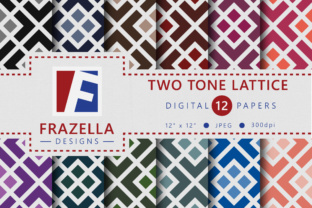
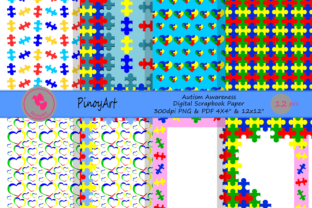
Digital paper designs—such as the set described here—are practical tools used across multiple contexts: printing, scrapbooking, digital planning, web-based visuals, and classroom materials. This particular collection includes 8 designs sized at 12×12 inches and 4 at 4×4 inches, all optimized for clarity and versatility. Each design is delivered in high-resolution format: 300 DPI PNG and PDF files, grouped into one downloadable ZIP file containing a single folder with 12 PDFs and 12 PNGs.
Why Consider Autism-Inspired Digital Paper Designs?
Individuals and organizations may seek autism-themed digital paper for several grounded reasons. Educators might use them to create visual schedules, social stories, or classroom décor that reflects neurodiversity. Therapists and support professionals may incorporate them into printable worksheets or sensory-friendly activity sheets. Families may choose them for personalized journals, memory books, or advocacy materials. Designers working on inclusive branding, nonprofit campaigns, or awareness initiatives may also find value in having ready-to-use, respectful, and aesthetically cohesive assets.
These designs are not clinical tools, nor do they diagnose or treat autism. Rather, they serve as accessible, printable elements that acknowledge autism as part of everyday life—supporting visibility without stereotyping.
Practical Benefits and Realistic Expectations
The primary benefit of this digital paper set lies in its technical readiness. At 300 DPI, both the PNG and PDF files meet professional print standards, ensuring sharp output on home printers, commercial presses, or craft-cutting machines. The dual-format delivery offers flexibility: PNGs work well in image editors and digital planners, while PDFs preserve layout integrity and support vector-like scaling for certain uses.
Having 12×12 inch files aligns with standard scrapbooking and cardstock sizes, making them suitable for physical projects like photo albums, bulletin boards, or laminated visual aids. The 4×4 inch variants offer modularity—for stickers, flashcards, or digital tile layouts—without requiring resizing or quality loss.
However, users should recognize key considerations. These files are static, non-editable graphics. While layers or source files (e.g., PSD or AI) are not included, the high-resolution raster and vector-friendly PDF formats allow for reliable cropping, color adjustment, and placement in most common software—including Adobe Photoshop, Canva, Microsoft Word, Cricut Design Space, and Silhouette Studio.
Situations Where This Resource Fits Well
This collection is especially appropriate when you need consistent, ready-to-use visuals tied to autism awareness or support. For example:
- Educators preparing printed visual supports for students who benefit from structured, predictable materials.
- Therapists or behavior analysts building custom social narratives or emotion cards without starting from scratch.
- Families creating personalized journals or celebration books for autistic loved ones, using respectful imagery and calming color palettes.
- Small nonprofits or advocacy groups producing low-budget but polished handouts, posters, or digital newsletters aligned with autism acceptance principles.
In each case, the emphasis is on utility—not symbolism alone. The designs function first as tools, then as affirming expressions.
When Alternatives May Be More Suitable
This resource is less ideal if your goal requires deep customization. If you need editable text layers, scalable vectors, or brand-specific color matching, you may need original design work or editable template files not included here. Similarly, if your use involves animation, interactive web elements, or accessibility features like screen reader compatibility, static PNG/PDF files won’t fulfill those needs.
Also consider context: autism-themed visuals should avoid clichés—such as puzzle pieces or blue-only palettes—if your aim is alignment with current community preferences. Many autistic self-advocates prefer identity-first language (“autistic person”) and imagery reflecting actual lived experience—not metaphors that imply fragmentation or deficit. Review the designs critically: Do they center autistic perspectives? Are they inclusive of race, gender, age, and disability intersectionality? If not, supplementing with additional, community-informed assets may be necessary.
Making an Informed Decision
To determine whether this digital paper set meets your needs, ask yourself three questions:
- What is my intended use? If it’s printing, scrapbooking, or embedding into static documents or presentations, the 300 DPI resolution and dual-file format provide strong support.
- Do I need editing flexibility beyond cropping or color adjustment? If you require layered files, typography control, or SVG exports, this set does not include those capabilities.
- Does the aesthetic and thematic approach match my values and audience? Look closely at the designs—not just for technical quality, but for tone, representation, and alignment with contemporary understandings of autism.
Remember that autism is not monolithic. A resource that works well for one setting—say, a school using visual supports—may not suit another, such as a research presentation requiring data-driven visuals. Matching tool to purpose—and purpose to values—is essential.
Where You Can Use These Files
These digital paper designs are compatible with a wide range of applications. You can import the PNGs into Canva, PowerPoint, or Google Slides for digital presentations. Use the PDFs in Adobe Acrobat for annotation or in desktop publishing tools like InDesign. Both formats work in cutting-machine software (Cricut, Silhouette) for physical crafting. For printing, they scale cleanly to standard paper sizes—including letter (8.5×11), A4, and tabloid (11×17)—without pixelation. They’re also suitable for web use, though for online display, lower-resolution versions may be preferable for faster loading.
No licensing restrictions are implied in this description; always verify the provider’s terms regarding personal, educational, or commercial use before deployment.